Carb cycling strategically alters carbohydrate intake to optimize fat loss, boost energy, and improve insulin sensitivity—often utilizing a free carb cycling meal plan PDF.
This approach isn’t about deprivation; it’s about timing and quantity, making it a flexible and sustainable dietary strategy for various fitness goals.
What is Carb Cycling?
Carb cycling is a dietary approach that involves strategically varying your carbohydrate intake on a daily or weekly basis. Unlike consistent low-carb diets, it alternates between high-carb, moderate-carb, and low-carb days.
The goal is to maximize glycogen stores during high-carb periods for intense workouts, while promoting fat burning on lower-carb days. Many individuals seek a free carb cycling meal plan PDF to guide this process, providing structured meal ideas and macronutrient targets. This method aims to improve insulin sensitivity and prevent metabolic adaptation, leading to more effective results.
Benefits of a Carb Cycling Meal Plan
A well-structured carb cycling meal plan, often found as a free PDF, offers numerous advantages. It can enhance fat loss by optimizing insulin sensitivity and boosting metabolism. Increased carbohydrate intake on training days fuels workouts and supports muscle recovery.
Furthermore, it can prevent the metabolic slowdown often associated with prolonged low-carb dieting. Many users report increased energy levels and improved body composition. Utilizing a pre-made plan simplifies implementation and ensures balanced macronutrient intake for optimal results.
Is a Carb Cycling Diet Right for You?
Determining if a carb cycling diet, aided by a free carb cycling meal plan PDF, suits you depends on your goals and lifestyle. It’s ideal for those aiming to lose fat while preserving muscle mass, or individuals experiencing plateaus with other diets.
However, it requires commitment to tracking intake and adjusting based on results; Individuals new to dieting might find it complex initially. Consider your activity level and willingness to experiment—a PDF plan can offer a structured starting point.
Understanding the Carb Cycling Phases
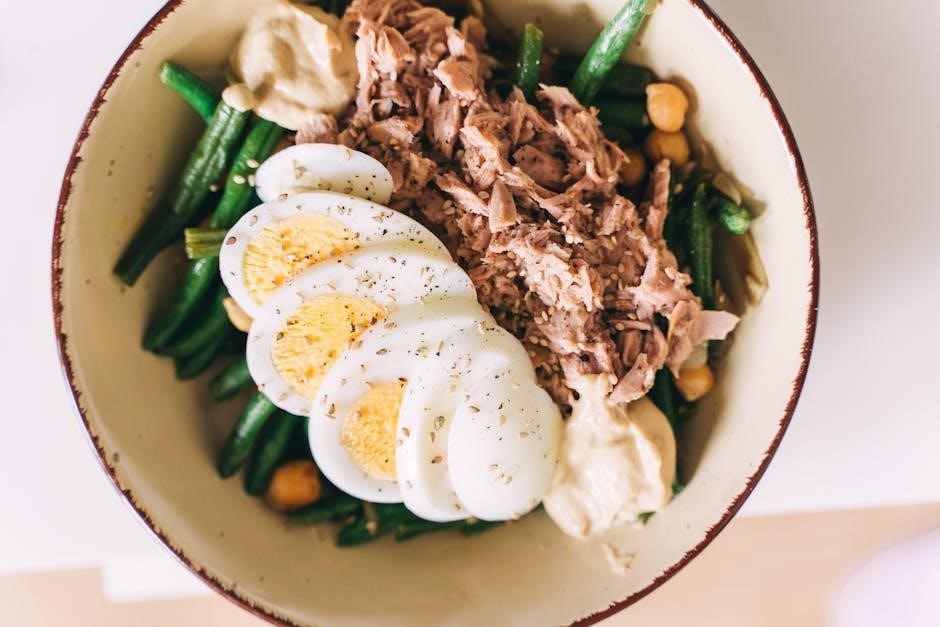
Carb cycling revolves around strategically alternating between high, moderate, and low-carb days—a free carb cycling meal plan PDF illustrates these phases for optimal results.
High-Carb Days
High-carb days, often incorporated within a free carb cycling meal plan PDF, are crucial for replenishing glycogen stores depleted during lower-carb phases. These days typically coincide with intense training sessions, providing the necessary fuel for optimal performance and recovery.
Focus on complex carbohydrates like oats, brown rice, and quinoa to sustain energy levels. Prioritize post-workout carbohydrate intake to maximize glycogen synthesis and minimize fat storage. These days aren’t a free-for-all; portion control remains important, even with increased carbohydrate consumption.
Moderate-Carb Days
Moderate-carb days, a key component of a free carb cycling meal plan PDF, serve as a bridge between high and low-carb phases, maintaining energy levels without significantly hindering fat loss. These days typically involve a balanced intake of carbohydrates, proteins, and healthy fats.
Continue prioritizing complex carbohydrates, but in slightly smaller portions than on high-carb days. This approach supports consistent energy and prevents drastic metabolic shifts, promoting sustainable results and overall well-being.
Low-Carb Days
Low-carb days, integral to a free carb cycling meal plan PDF, strategically minimize carbohydrate intake to enhance fat burning and improve insulin sensitivity. Focus shifts towards prioritizing protein and healthy fats, ensuring satiety and preserving muscle mass during reduced carbohydrate consumption.
Non-starchy vegetables become the primary carbohydrate source, providing essential nutrients with minimal impact on blood sugar. These days are not about elimination, but rather controlled restriction for optimal metabolic benefits.

Sample 7-Day Carb Cycling Meal Plan (PDF Focus)
A free carb cycling meal plan PDF typically outlines a weekly schedule, alternating between high, moderate, and low-carb days for optimal results.
Day 1: High-Carb
Day 1, focused on replenishing glycogen stores, within a free carb cycling meal plan PDF, prioritizes complex carbohydrates. Breakfast could include oatmeal with berries and a protein source.
Lunch might feature a sweet potato with grilled chicken or fish. Dinner should be a substantial carbohydrate-rich meal, like brown rice pasta with lean meat and vegetables. This day supports intense workouts and recovery, maximizing energy levels and muscle growth.
Breakfast ⏤ High Carb
Kickstarting a high-carb day, as outlined in a free carb cycling meal plan PDF, requires a substantial carbohydrate intake. Consider a large bowl of oatmeal (around 75-100g dry oats) topped with berries and a scoop of protein powder.
Alternatively, whole-wheat toast with banana slices and a side of eggs provides a balanced start. This breakfast fuels your body for the day, preparing you for workouts and maximizing glycogen stores.
Lunch ⏤ Moderate Carb
Following a free carb cycling meal plan PDF, a moderate-carb lunch focuses on sustained energy without excessive intake. A large salad with grilled chicken or fish, incorporating a half-cup of quinoa or brown rice, is an excellent choice.
Sweet potato (medium size) alongside lean protein and vegetables also fits well. This provides complex carbohydrates for continued energy levels and supports muscle recovery throughout the afternoon.
Dinner ⏤ High Carb
When utilizing a free carb cycling meal plan PDF, dinner on high-carb days replenishes glycogen stores. A baked sweet potato paired with grilled salmon and steamed broccoli is a fantastic option, providing ample carbohydrates and essential nutrients.
Alternatively, a lean steak with a cup of brown rice and a side of mixed vegetables delivers a balanced, high-carb meal to support recovery and optimize performance.
Day 2: Low-Carb
Following a free carb cycling meal plan PDF, Day 2 focuses on minimizing carbohydrate intake to encourage fat utilization. Meals should prioritize protein and healthy fats. Expect a significant reduction in starches and sugars.
This day aims to enhance insulin sensitivity and promote metabolic flexibility. Remember to stay hydrated and listen to your body’s signals throughout the day, adjusting portion sizes as needed.
Breakfast ⎼ Low Carb
Utilizing a free carb cycling meal plan PDF, a low-carb breakfast should kickstart your metabolism without spiking blood sugar. Consider options like scrambled eggs with spinach and avocado, or Greek yogurt with a handful of berries and chia seeds.
Prioritize protein and healthy fats to maintain satiety and energy levels throughout the morning. Avoid sugary cereals, pastries, and fruit juices, focusing instead on whole, unprocessed foods.
Lunch ⏤ Low Carb
Following a free carb cycling meal plan PDF, a low-carb lunch should continue to prioritize protein and healthy fats. A large salad with grilled chicken or fish, and a vinaigrette dressing is an excellent choice. Alternatively, consider a turkey and avocado lettuce wrap.
Limit starchy vegetables and grains, focusing on non-starchy options like leafy greens, broccoli, and cauliflower to maintain low carbohydrate intake throughout the day.
Dinner ⏤ Moderate Carb
When utilizing a free carb cycling meal plan PDF, a moderate-carb dinner allows for a slightly increased carbohydrate portion compared to low-carb days. Baked salmon with a half-cup of quinoa and steamed asparagus is a balanced option. Lean ground turkey stir-fry with brown rice is another suitable choice.
Focus on complex carbohydrates and pair them with sufficient protein and healthy fats for sustained energy and recovery.
Day 3: Moderate-Carb
Following a free carb cycling meal plan PDF, Day 3 focuses on moderate carbohydrate intake, bridging the gap between high and low-carb days. This supports continued fat loss while maintaining energy levels. Meals should incorporate around 100-150 grams of carbohydrates, prioritizing complex sources.
This day aims to replenish glycogen stores without hindering progress, making it a crucial component of the cycling process for optimal results.
Breakfast ⎼ Moderate Carb
Utilizing a free carb cycling meal plan PDF, a moderate-carb breakfast (around 30-40g carbs) sets the tone for the day. Consider options like oatmeal with berries and a scoop of protein powder, or whole-wheat toast with avocado and an egg.
This provides sustained energy without spiking insulin excessively, supporting fat burning and maintaining stable blood sugar levels throughout the morning. Prioritize whole, unprocessed carbohydrate sources.
Following a free carb cycling meal plan PDF, a moderate-carb lunch (approximately 40-50g carbs) should focus on balanced nutrition. A large salad with grilled chicken or fish, alongside a serving of quinoa or brown rice, is an excellent choice.
Include plenty of non-starchy vegetables for fiber and micronutrients. This meal provides sustained energy and supports muscle recovery, keeping you satisfied and focused throughout the afternoon.
Adhering to a free carb cycling meal plan PDF, a moderate-carb dinner (around 40-50g carbs) should prioritize lean protein and complex carbohydrates. Baked salmon with roasted sweet potatoes and steamed broccoli is a fantastic option.
This combination offers essential amino acids for muscle repair and carbohydrates for replenishing glycogen stores. Avoid heavy, processed foods before bed to promote restful sleep and optimize recovery overnight.

Macronutrient Breakdown & Food Choices
A free carb cycling meal plan PDF hinges on balanced macros: protein for muscle, strategic carbs for energy, and healthy fats for hormone support.
Prioritize whole, unprocessed foods to maximize nutrient density and optimize results.
Protein Sources
Essential for muscle preservation and satiety, protein intake should remain consistent across all carb cycling phases, even when utilizing a free carb cycling meal plan PDF.
Excellent choices include lean meats like chicken breast and turkey, fish such as salmon and tuna, and eggs. For those following a plant-based diet, tofu, tempeh, lentils, and beans are fantastic options.
Aim for approximately 0.8-1 gram of protein per pound of body weight daily to support muscle recovery and overall health.
Carbohydrate Sources (Prioritizing Whole Grains)
When following a free carb cycling meal plan PDF, carbohydrate choices are crucial. Prioritize complex carbohydrates, especially whole grains, for sustained energy and optimal nutrient intake.
These options digest slower, preventing drastic blood sugar spikes. Excellent choices include oats, providing soluble fiber; brown rice, a versatile staple; and quinoa, a complete protein source.
Limit refined carbohydrates and focus on whole, unprocessed foods to maximize the benefits of carb cycling.
Oats
Incorporating oats into your free carb cycling meal plan PDF is highly beneficial, particularly on higher-carb days. They are a fantastic source of complex carbohydrates and soluble fiber, promoting sustained energy release and aiding digestion.
This slow digestion prevents rapid blood sugar increases, aligning perfectly with the goals of carb cycling. Opt for steel-cut or rolled oats over instant varieties for maximum nutritional value.
Oats are incredibly versatile and can be enjoyed in numerous ways, from breakfast porridge to baked goods.
Brown Rice
Brown rice is a cornerstone carbohydrate source for a well-structured free carb cycling meal plan PDF, especially on designated high-carb days. Unlike its white counterpart, brown rice retains the bran and germ, offering a wealth of fiber, vitamins, and minerals.
This fiber content contributes to slower digestion, preventing energy crashes and supporting stable blood sugar levels. It’s a versatile grain, pairing well with lean proteins and vegetables.
Choose brown rice over white rice to maximize nutritional benefits and enhance your carb cycling results.
Quinoa
Quinoa stands out as a complete protein and excellent carbohydrate choice when following a free carb cycling meal plan PDF, particularly valuable on higher-carb intake days. This seed (often mistaken for a grain) delivers all nine essential amino acids, supporting muscle recovery and growth.
Its high fiber content aids digestion and promotes satiety, while its complex carbohydrates provide sustained energy. Quinoa’s versatility allows for diverse meal preparation, enhancing dietary adherence.
Incorporate quinoa for a nutrient-dense carb source.
Healthy Fat Sources
Integrating healthy fats is crucial when utilizing a free carb cycling meal plan PDF, supporting hormone production and overall well-being. Prioritize sources like avocados, olive oil, and nuts – but portion control is key, especially with nuts!
These fats contribute to satiety, helping manage hunger during lower-carb phases. They also aid in the absorption of fat-soluble vitamins. Remember to balance fat intake with protein and carbohydrates for optimal results.
Focus on quality over quantity.
Supplements to Consider
Electrolytes (sodium & potassium) and protein powder can be beneficial additions when following a free carb cycling meal plan PDF, enhancing performance and recovery.
Electrolytes (Sodium & Potassium)
Carb cycling, especially with a free carb cycling meal plan PDF, can deplete electrolytes due to shifts in insulin and water balance. Sodium and potassium are crucial for maintaining hydration, muscle function, and nerve impulses.
Consider supplementing with sodium (through lite salt) and potassium (Nu Salt) – particularly on low-carb days – to prevent cramping and fatigue. Powerade Zero, enhanced with these additions, offers a convenient electrolyte boost. Proper electrolyte balance optimizes results and overall well-being during carb cycling.
Protein Powder
Utilizing a free carb cycling meal plan PDF often requires careful macronutrient tracking, and protein powder can be a convenient tool to meet daily protein goals. It’s especially helpful on low-carb days when protein intake is prioritized.
Whey, casein, or plant-based options can supplement whole food sources. Choose powders with minimal added sugars or artificial ingredients. Protein powder supports muscle recovery and satiety, enhancing the effectiveness of your carb cycling strategy.

Avoiding Common Mistakes
When using a free carb cycling meal plan PDF, avoid processed foods, incorrect portions (especially nuts), and hidden sugars like malitol.
Careful planning prevents setbacks and maximizes results.
Overconsumption of Processed Foods
A common pitfall when following a free carb cycling meal plan PDF is relying too heavily on processed carbohydrates. While convenient, these options often lack the fiber and nutrients found in whole food sources.
This can lead to blood sugar spikes, increased cravings, and hinder fat loss. Prioritize whole, unprocessed carbs like oats, brown rice, and quinoa. Remember, the goal is to fuel your body effectively, not just fill it with empty calories. Focus on real, nutrient-dense foods for optimal results and sustained energy levels.
Incorrect Portion Sizes (Especially Nuts)
When utilizing a free carb cycling meal plan PDF, accurately measuring food intake is crucial, particularly with calorie-dense foods like nuts. It’s surprisingly easy to underestimate portion sizes, leading to excess calorie consumption.
A “handful” of almonds can easily equate to three servings! Investing in a food scale is highly recommended to ensure precise measurements. This prevents unknowingly sabotaging your progress and helps you stay within your macronutrient targets for optimal results.
Hidden Sugars in “Healthy” Bars (Malitol vs. Erythritol)
Many “healthy” protein or energy bars marketed alongside a free carb cycling meal plan PDF contain sugar alcohols. While seemingly sugar-free, some, like malitol, can cause gastrointestinal distress and impact blood sugar levels.
Erythritol is a preferable alternative, generally better tolerated. Always scrutinize ingredient lists! Opting for bars sweetened with erythritol, or better yet, whole food sources, minimizes unwanted side effects and supports your carb cycling goals.
Tracking Progress & Adjustments
Regularly monitor weight and body composition while using a free carb cycling meal plan PDF; Adjust carbohydrate intake based on observed results for optimal progress.
Monitoring Weight & Body Composition
Consistent tracking is crucial when following a free carb cycling meal plan PDF. Weigh yourself regularly – perhaps weekly – but focus more on trends than daily fluctuations. Utilize body composition analysis (DEXA scans, bioelectrical impedance) to monitor changes in muscle mass and body fat percentage.
Measurements like waist circumference can also provide valuable insights. Remember, the scale doesn’t tell the whole story; prioritize how your clothes fit and your overall energy levels alongside the numbers.
Adjusting Carb Intake Based on Results
When utilizing a free carb cycling meal plan PDF, personalize it! If weight loss stalls, consider slightly reducing carbohydrate intake on moderate and high-carb days. Conversely, if energy levels are consistently low, cautiously increase carbs, especially around workouts.
Pay attention to how your body responds. Track your adjustments and correlate them with your progress. Remember, carb cycling isn’t one-size-fits-all; it requires experimentation and fine-tuning.
Carb Cycling for Vegetarians
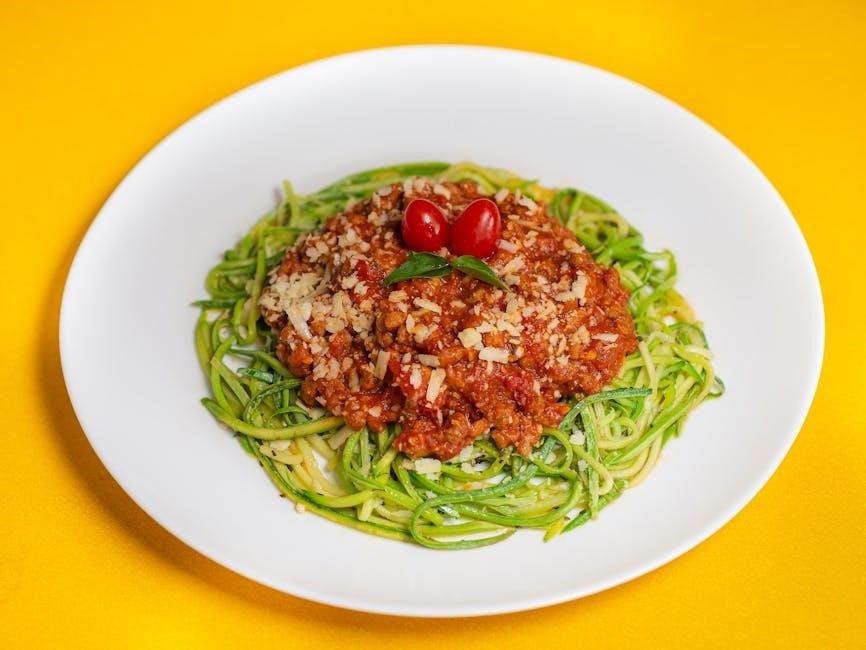
Vegetarian carb cycling, aided by a free carb cycling meal plan PDF, requires careful protein sourcing and strategic carbohydrate choices for optimal results.
Prioritize plant-based proteins and complex carbohydrates to meet nutritional needs effectively.
Meeting Protein Goals on a Vegetarian Diet
Achieving sufficient protein intake on a vegetarian carb cycling plan, especially when utilizing a free carb cycling meal plan PDF, presents unique challenges.
Combining various plant-based protein sources is crucial. Lentils, chickpeas, beans, tofu, tempeh, and edamame should form the foundation of your diet.
Consider incorporating protein-rich grains like quinoa and amaranth. Strategic supplementation with plant-based protein powders can also bridge any gaps, ensuring muscle preservation and satiety throughout the cycling phases.
Vegetarian-Friendly Carb Sources
When following a free carb cycling meal plan PDF as a vegetarian, prioritizing complex carbohydrates is key for sustained energy and optimal results.
Excellent choices include sweet potatoes, providing vital nutrients alongside carbs. Oats, quinoa, brown rice, and whole-wheat pasta are also fantastic options.
Fruits like berries, bananas, and apples offer natural sugars for high-carb days, while vegetables like broccoli and spinach provide fiber and micronutrients on lower-carb days.

Hydration Strategies
Adequate hydration is crucial when using a free carb cycling meal plan PDF; water intake supports metabolic processes and electrolyte balance for optimal performance.
Importance of Water Intake
Maintaining sufficient hydration is paramount while following a free carb cycling meal plan PDF. Water plays a vital role in numerous bodily functions, including nutrient transport, waste removal, and regulating body temperature. Carb cycling can sometimes lead to water loss due to glycogen depletion, making increased water intake even more critical.
Aim for at least half your body weight in ounces of water daily, and potentially more on higher activity days or during high-carb phases to support glycogen storage and overall performance.
Electrolyte-Rich Beverages (Powerade Zero with Lite Salt/Nu Salt)
When utilizing a free carb cycling meal plan PDF, electrolyte balance is crucial, especially during low-carb phases where water excretion increases. Powerade Zero offers a sugar-free base, but supplementing with Lite Salt or Nu Salt significantly boosts sodium and potassium levels.
Adding a teaspoon of either to your Powerade Zero helps replenish electrolytes lost through sweat and urine, preventing cramping and maintaining optimal hydration and performance.

Resources for a Printable PDF Meal Plan
Numerous online sources offer a free carb cycling meal plan PDF, but verifying reliability is key for safe and effective implementation of the diet.
Finding Reliable Carb Cycling PDF Plans Online
Locating a trustworthy free carb cycling meal plan PDF requires careful evaluation. Prioritize websites from registered dietitians or certified nutritionists, ensuring the plan is grounded in scientific principles.
Look for plans detailing macronutrient breakdowns, portion sizes, and food choices aligned with carb cycling principles. Beware of overly restrictive plans or those promoting unrealistic results. Check for user reviews and testimonials to gauge effectiveness. Reputable fitness blogs and health websites often offer well-researched, downloadable plans.
Creating Your Own Customized PDF Plan
Designing a personalized free carb cycling meal plan PDF empowers you to tailor the diet to your specific needs and preferences. Begin by calculating your daily caloric and macronutrient requirements.
Then, strategically allocate carbohydrates across high, moderate, and low-carb days, considering your activity level and goals. Utilize spreadsheet software or meal planning apps to structure your meals and generate a printable PDF. Regularly review and adjust the plan based on your progress and feedback.

Advanced Carb Cycling Techniques
Explore targeted and reverse carb cycling for nuanced control—adjusting intake around workouts or strategically shifting carb focus for optimal results, beyond a free carb cycling meal plan PDF.
Targeted Carb Cycling
Targeted carb cycling strategically times carbohydrate intake around your workout schedule, maximizing performance and recovery. Unlike standard carb cycling, this technique focuses on fueling during and immediately after exercise with a higher carb intake.
This approach helps replenish glycogen stores, reduce muscle breakdown, and enhance nutrient delivery. While a free carb cycling meal plan PDF can provide a base, targeted cycling requires personalization based on workout intensity and duration. It’s ideal for those engaging in intense training, seeking to optimize athletic performance alongside fat loss.
Reverse Carb Cycling
Reverse carb cycling flips the traditional approach, starting with higher carb days and gradually decreasing intake over the week. This method aims to initially replenish glycogen stores and boost metabolism before transitioning to lower carb phases for fat burning.
A free carb cycling meal plan PDF can offer a starting point, but adaptation is key. It’s often favored by individuals who’ve been on prolonged low-carb diets, seeking a gentler reintroduction of carbohydrates. This strategy can help mitigate potential metabolic slowdown and improve insulin sensitivity.