Manual Lift Rental: A Comprehensive Guide
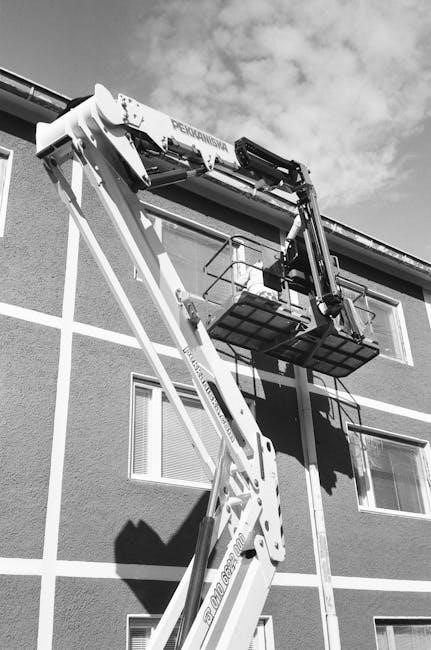
Navigating manual lift rentals involves understanding equipment types‚ rental costs‚ and safety protocols․ This guide details pricing‚ inspection‚ and operational best practices for efficient access․
Understanding Manual Lifts
Manual lifts‚ distinct from their motorized counterparts‚ rely on human power – often through hydraulic systems activated by a pump – to elevate personnel and materials․ This makes them a versatile‚ cost-effective solution for tasks requiring temporary access at varying heights․ They are particularly useful in environments where electrical power is unavailable or where minimizing noise and emissions is crucial․
These lifts offer a stable platform‚ ideal for maintenance‚ installations‚ and inspections․ However‚ understanding their operational limitations is paramount․ Unlike self-propelled aerial lifts‚ manual lifts require physical exertion for operation‚ impacting the duration and scope of work․ Careful consideration of the task’s demands and the operator’s capabilities is essential for safe and efficient use․ Proper training and adherence to weight capacity guidelines are non-negotiable aspects of manual lift operation․
What is a Manual Lift?
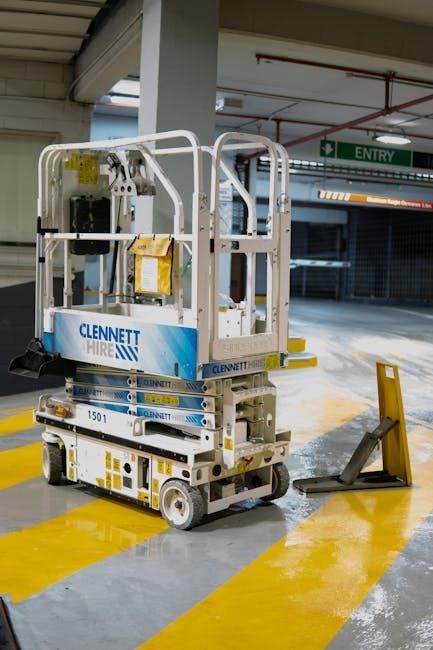
A manual lift is a mechanical device used to raise and lower materials or personnel‚ powered by human effort rather than an electric or combustion engine․ Typically employing a hydraulic system activated by a hand pump‚ these lifts provide a controlled ascent and descent․ They are valued for their simplicity‚ portability‚ and quiet operation‚ making them suitable for indoor and outdoor applications where power sources are limited or undesirable․

Unlike motorized aerial lifts‚ manual lifts offer a more economical rental option‚ though they require physical exertion from the operator․ Common applications include warehouse tasks‚ retail stocking‚ event setup‚ and light maintenance work․ They are designed for vertical movement and are not intended for traversing significant distances․ Understanding the specific capabilities and limitations of each manual lift type is crucial for selecting the appropriate equipment for the job․
Types of Manual Lifts Available for Rent
Several manual lift types cater to diverse needs․ Scissor lifts‚ known for their stable platform and large work area‚ are ideal for general maintenance and positioning materials․ Personnel lifts‚ often called “single man lifts‚” prioritize worker access to elevated areas for tasks like hanging decorations or light repairs – offering a compact footprint․
Stacker lifts are designed for lifting and moving stacked materials within a warehouse or storage facility‚ enhancing efficiency in logistics․ Each type varies in weight capacity‚ maximum height‚ and maneuverability․ Choosing the correct lift depends on the specific task‚ work environment‚ and the weight/dimensions of the load․ Rental companies typically offer guidance to ensure safe and effective equipment selection․
Scissor Lifts
Scissor lifts are a prevalent choice for manual lift rental‚ celebrated for their robust stability and expansive work platforms․ Their lifting mechanism‚ resembling a folding scissor‚ provides vertical elevation‚ making them suitable for indoor and outdoor applications․ These lifts excel in tasks like maintenance‚ installations‚ and overhead repairs where a large‚ stable workspace is crucial․
Available in both electric and manual operation‚ scissor lifts offer varying platform heights and weight capacities; Electric models are preferred for indoor use due to their quiet operation and zero emissions‚ while manual versions are often more economical․ Proper ground leveling is essential for safe operation․ Rental firms provide detailed instructions on operation and safety features‚ ensuring users maximize efficiency and minimize risk․
Personnel Lifts (Single Man Lifts)
Personnel lifts‚ often called “single man lifts‚” are designed for elevating a single worker and tools to specific heights․ These compact and maneuverable lifts are ideal for tasks in confined spaces where larger equipment is impractical․ They are frequently utilized in retail settings‚ warehouses‚ and for maintenance work on machinery or infrastructure․
Typically battery-powered‚ personnel lifts offer quiet and emission-free operation‚ making them suitable for indoor environments․ They feature a platform with guardrails for operator safety and often include non-marking tires to protect flooring․ Rental costs for these lifts are generally lower than larger scissor lifts‚ reflecting their smaller size and capacity․ Thorough training on safe operation‚ including weight limits and proper harness use‚ is paramount before operation․
Stacker Lifts
Stacker lifts‚ while sometimes categorized within manual lift rentals‚ primarily focus on horizontal movement and lifting of palletized goods․ Unlike personnel lifts designed for elevating people‚ stackers are intended for material handling․ They are commonly used in warehouses‚ loading docks‚ and manufacturing facilities to efficiently transport and stack materials․
These lifts come in various capacities and designs‚ including manual‚ electric‚ and rough terrain models․ Manual stackers rely on a hand pump to raise and lower loads‚ offering a cost-effective solution for lighter duties․ Electric stackers provide powered lifting and lowering‚ increasing efficiency for higher volume tasks․ Rental rates depend on capacity‚ lift height‚ and power source․ Proper training on safe loading procedures and operational controls is crucial to prevent accidents and ensure efficient material flow․
Factors Influencing Rental Costs
Rental expenses are shaped by duration‚ lift specifications (size & capacity)‚ and the rental company’s location․ These elements directly impact overall project budgeting․
Rental Term and Pricing
Rental duration significantly impacts the overall cost of a manual lift․ Typically‚ rental companies offer tiered pricing structures – daily‚ weekly‚ and monthly rates․ Daily rates are the most expensive per unit of time‚ ideal for short-term projects requiring immediate access․ Weekly rentals provide a cost-effective solution for projects spanning several days‚ offering a reduced daily equivalent rate․
Monthly rentals represent the most economical option for extended use‚ often utilized in long-term construction or maintenance endeavors․ Beyond these standard options‚ some companies may offer customized rental agreements tailored to specific project timelines․ It’s crucial to inquire about potential discounts for longer rental periods or off-peak seasons․ Furthermore‚ understand if the quoted price includes delivery‚ setup‚ and potential training fees‚ as these can add to the total expense․ Always compare quotes from multiple rental firms to secure the most competitive pricing․
Lift Size and Capacity
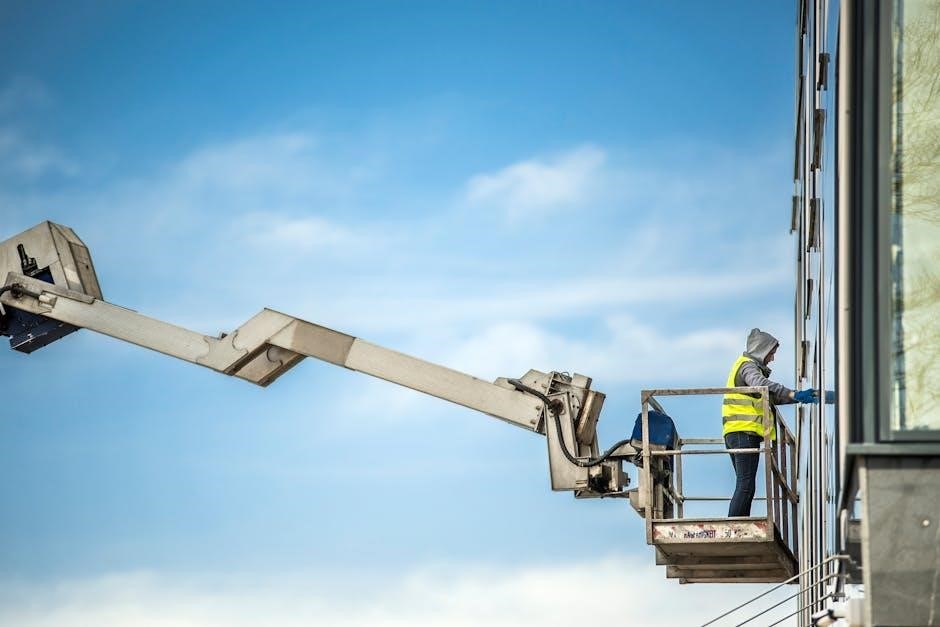
Manual lift size and capacity are primary determinants of rental cost․ Smaller‚ lower-capacity lifts – like personnel lifts designed for single users and limited heights – generally have lower rental rates․ Conversely‚ larger scissor lifts capable of supporting substantial weight and reaching significant elevations command higher prices․ Capacity is measured in pounds or kilograms and dictates the maximum load the lift can safely handle‚ including personnel and materials․
Choosing the appropriate size is critical; an undersized lift won’t meet project needs‚ while an oversized one represents unnecessary expense․ Consider the working height required‚ factoring in the operator’s reach and any necessary safety margins․ Rental firms categorize lifts based on these specifications‚ allowing for targeted selection․ Always accurately assess the weight of all materials and personnel to ensure it remains within the lift’s specified capacity‚ prioritizing safety and preventing equipment damage․
Location of Rental Firm
The location of the rental firm significantly impacts overall rental costs due to transportation fees and logistical considerations․ Locally-based rental companies typically offer more competitive pricing as they have lower delivery expenses․ Conversely‚ renting from a firm further away will incur substantial transportation charges‚ potentially increasing the total cost considerably․
Furthermore‚ proximity to the rental firm can affect response times for delivery‚ setup‚ and potential maintenance or repair needs․ Choosing a local provider streamlines these processes‚ minimizing downtime․ Consider firms offering multiple locations or service areas to optimize convenience and cost-effectiveness․ Always request a detailed quote that clearly outlines all associated fees‚ including delivery‚ pickup‚ and any applicable mileage charges‚ to accurately compare options and make an informed decision․
Safety Considerations When Renting & Operating
Prioritize safety with pre-rental inspections‚ proper training‚ and strict adherence to weight capacity limits․ Certification and careful operation are crucial for preventing accidents․
Pre-Rental Inspection Checklist
A thorough pre-rental inspection is paramount for safe manual lift operation․ Begin by examining the lift’s structural components for any signs of damage – cracks‚ bends‚ or corrosion․ Inspect all hydraulic hoses and fittings for leaks or wear‚ ensuring secure connections․ Verify the functionality of the lift’s controls‚ including ascent‚ descent‚ and emergency stop mechanisms․
Check the tires or wheels for proper inflation and condition‚ and confirm the stability of the base․ Scrutinize the platform for secure flooring and functioning guardrails․ Don’t overlook the battery charge (for electric models) or fuel levels (for engine-powered lifts)․ Review the operator’s manual to understand specific inspection points for that model․
Document any discrepancies or concerns before operation‚ and report them to the rental company immediately․ A detailed checklist ensures a safe and productive rental experience‚ minimizing potential hazards and maximizing uptime․ Ignoring this step could lead to equipment failure and serious injury․
Proper Training and Certification
Operating a manual lift safely demands adequate training and certification․ Untrained personnel pose a significant risk to themselves and others․ Comprehensive training programs cover hazard identification‚ safe operating procedures‚ and emergency protocols․ These programs should address load capacity limits‚ proper stabilization techniques‚ and fall protection measures․
Certification‚ often through organizations like OSHA‚ demonstrates competency in lift operation․ It validates an operator’s understanding of safety regulations and best practices․ Employers are legally obligated to ensure their employees receive appropriate training before operating any aerial lift․ Refresher courses are crucial to maintain proficiency and stay updated on evolving safety standards․
Prioritize safety; never allow operation without documented training and certification․ A qualified operator minimizes the risk of accidents‚ equipment damage‚ and potential liability․ Investing in proper training is a vital component of a responsible rental program․
Weight Capacity and Load Limits
Understanding weight capacity and load limits is paramount for safe manual lift operation․ Exceeding these limits compromises stability and dramatically increases the risk of tipping or structural failure․ Each lift model has a specified maximum weight capacity‚ clearly indicated on the machine itself and in the operator’s manual․
This capacity includes not only the weight of the operator but also all tools‚ materials‚ and equipment being lifted․ Always calculate the total weight accurately before commencing operation․ Never attempt to lift loads exceeding the stated limit‚ even if the lift appears stable․
Regularly inspect load-bearing components for damage or wear․ Uneven weight distribution can also create instability; ensure loads are centered and secured․ Adhering to these guidelines prevents accidents and ensures the longevity of the rental equipment․
Rental Process & Logistics
Securing a manual lift requires choosing a reputable company‚ arranging delivery‚ and understanding insurance․ Streamlined logistics ensure a smooth and safe rental experience․
Finding a Reputable Rental Company
Selecting the right rental partner is paramount for a successful manual lift experience․ Begin by researching companies with a proven track record of safety and reliability․ Online reviews and testimonials offer valuable insights into customer satisfaction and service quality․
Verify that the company maintains a well-maintained fleet of lifts‚ regularly inspected and serviced to ensure optimal performance․ A reputable firm will readily provide documentation of these inspections․ Inquire about their safety training programs and ensure they align with industry standards․
Furthermore‚ assess their responsiveness to inquiries and their willingness to address your specific needs․ A knowledgeable and helpful team can guide you through the selection process and provide expert advice․ Don’t hesitate to ask about their insurance coverage and liability policies to protect yourself against potential risks․ Prioritize companies that offer transparent pricing and clear rental agreements‚ avoiding hidden fees or ambiguous terms․ A trustworthy rental company prioritizes customer safety and satisfaction above all else․
Delivery and Setup Options
Convenient delivery and setup are crucial aspects of a smooth manual lift rental experience․ Most reputable companies offer a range of delivery options to accommodate your job site’s location and accessibility․ Discuss delivery logistics‚ including potential site restrictions or permitting requirements‚ beforehand․
Explore options like standard delivery‚ where the lift is dropped off at a designated location‚ or full-service setup‚ where the rental company handles placement and initial operation guidance․ Consider the complexity of your project when choosing a setup option․
Clarify any associated delivery fees and ensure they are clearly outlined in the rental agreement․ Inquire about the company’s ability to handle tight spaces or challenging terrain․ Proper setup is vital for safe operation; a qualified technician should oversee the initial positioning and stabilization of the lift․ Confirm that the company provides clear instructions on operation and safety features before leaving the site․
Insurance and Liability
Understanding insurance and liability is paramount when renting a manual lift․ Rental companies typically offer liability coverage options‚ but it’s crucial to understand the extent of that coverage and whether it adequately protects your business or project․ Carefully review the rental agreement’s terms regarding damage waivers and liability limitations․
Determine if your existing insurance policies (general liability‚ workers’ compensation) extend coverage to rented equipment and operator liability․ Consider supplemental insurance if necessary to bridge any gaps․
Clarify who is responsible for damage to the lift – whether caused by operator error‚ negligence‚ or unforeseen circumstances․ Document the lift’s condition before and after rental with photos or a detailed inspection report․ Ensure all operators are properly trained and certified to minimize liability risks․ A clear understanding of insurance and liability protects all parties involved․