Trader Joe’s Bambino pizzas offer bite‑size, ready‑to‑cook convenience. These mini pies come pre‑topped with classic pepperoni or cheese and are frozen for shelf‑life. To enjoy a fresh, crispy crust, follow the box’s simple heat‑up instructions, adjusting time for your appliance. Enjoy it hot. and share.!!

Choosing the Right Cooking Method
Choosing the right cooking method depends on your appliance. Air fryers deliver a crisp crust in ~8 min, while a conventional oven takes 10‑12 min at 400°F. Toaster ovens work similarly but may need a 2‑min tweak. Pick the method that best fits your kitchen setup. Always preheat if needed and adjust times for sizes
Air Fryer Cooking Guide
Air frying Trader Joe’s Bambino pizzas delivers a quick, crisp finish that rivals a conventional oven. Preheat the air fryer to 350 °F (175 °C) for 3 minutes. Place the frozen mini pies in a single layer, ensuring they do not touch; overcrowding traps steam and yields a soggy center. Cook for 8 minutes, checking at the 6‑minute mark. If the edges are not golden, add an extra minute. For a cheese‑only version, sprinkle a light dusting of dairy‑free shredded cheese before the final minute to melt without browning. If you’re using a gluten‑free or vegan brand, the same temperature and timing apply; just keep an eye on the crust, as some brands may brown faster. After removal, let the pizzas rest for 30 seconds to allow the cheese to set. Serve immediately with a side of marinara or a sprinkle of fresh basil for an elevated bite. This method preserves the dough’s bite while ensuring the toppings reach optimal melt and flavor. Enjoy a hassle‑free, stovetop‑free pizza experience.
For those who prefer a spicier kick, crushed red pepper or a drizzle of hot sauce right after cooking adds a pleasant heat without overpowering the pizza’s natural flavor. If you’re experimenting with toppings, try a handful of chopped spinach or sliced mushrooms; add them after the first 5 minutes to prevent sogginess. Remember, the air fryer’s circulating heat cooks the crust evenly, so rotating the basket halfway through can help achieve uniform browning. Finally, keep a paper towel nearby to blot any excess oil that may accumulate on the pizza surface, ensuring a clean, dry extra finish.
Conventional Oven Cooking Guide
Preheat a conventional oven to 425°F (220°C). Arrange Trader Joe’s Bambino pizzas on a parchment‑lined baking sheet or place them directly on the middle rack for a crisper edge. Bake for 10–12 minutes, or until the cheese is bubbling and the crust edges are golden brown. If you prefer a chewier bite, reduce the time to 9 minutes; for extra crispness, extend to 13 minutes. Avoid opening the door during the first 8 minutes to maintain consistent heat.
For larger or thicker varieties, add 2–3 minutes per inch of diameter. If you’re using a convection setting, lower the temperature by 25°F (14°C) and reduce cooking time by about 2 minutes. After removal, let the pizza rest for 30 seconds to allow the cheese to set, preventing a soggy center.
When reheating leftovers, place the pizza back on a baking sheet and bake at 350°F (175°C) for 5–7 minutes until the crust is crisp again. This method preserves the original texture and flavor profile without overcooking the toppings.
For an even crisper base, preheat a pizza stone or steel in the oven for at least 15 minutes before placing the pizza. This ensures a hot surface that pulls moisture from the dough. Keep a sheet of parchment underneath the stone to prevent sticking. After baking, let the pizza cool on a wire rack for a minute to keep the bottom from steaming. This technique is especially useful for thicker, doughier varieties that tend to stay soft if left on sheet. Enjoy it!!
Toaster Oven Cooking Tips
When cooking Trader Joe’s Bambino pizzas in a toaster oven, preheat the appliance to 375 °F (190 °C) for 5 minutes. Use a pizza peel if you have one to slide the pizza in and out quickly. Place the frozen pizzas on a greased baking sheet or directly on the rack; a silicone mat works well to prevent sticking. Avoid stacking the pies, as this blocks airflow and leads to uneven browning. If your toaster oven has a convection fan, enable it for a crispier crust. Cook for 10–12 minutes, checking at the 8‑minute mark. The crust should turn golden and the cheese should be bubbling with a slight brown edge. If the edges brown too quickly, lower the temperature to 350 °F (175 °C) and extend the time by 2–3 minutes. For a crunchier top, switch to the broil setting for the last 30 seconds, watching closely to prevent charring. Once the pizza reaches the desired crispness, remove it and let it rest on a wire rack for 1 minute; this allows steam to escape and keeps the bottom from becoming soggy. To enhance flavor, drizzle a thin layer of olive oil or sprinkle dried oregano before baking. For thicker crusts, preheat a pizza stone or cast‑iron skillet in the toaster oven and place the pizza on it; this mimics a pizza oven’s heat distribution. Store leftovers in an airtight container in the refrigerator for up to 3 days, and reheat in the toaster oven at 350 °F for 5–7 minutes until hot.
Tip: If you prefer a chewier crust, place a small piece of parchment paper beneath the pizza to absorb excess moisture. If your toaster oven has a quick‑bake mode, use it for 6–8 minutes, but watch the cheese. For a smoky flavor, add a pinch of smoked paprika to the toppings before baking. Remember to rotate the pizza halfway through cooking to ensure even browning. After baking, let the pizza cool on a wire rack to keep the edges crisp. If short on time, use the reheat function for 2–3 minutes for a crunch. Serve immediately with a side of marinara for dipping. Keep the oven door ajar during baking to let moisture escape.
Enjoy your perfectly crisp Trader Joe’s Bambino pizza, whether you’re feeding a crowd or enjoying a quick snack. Enjoy!
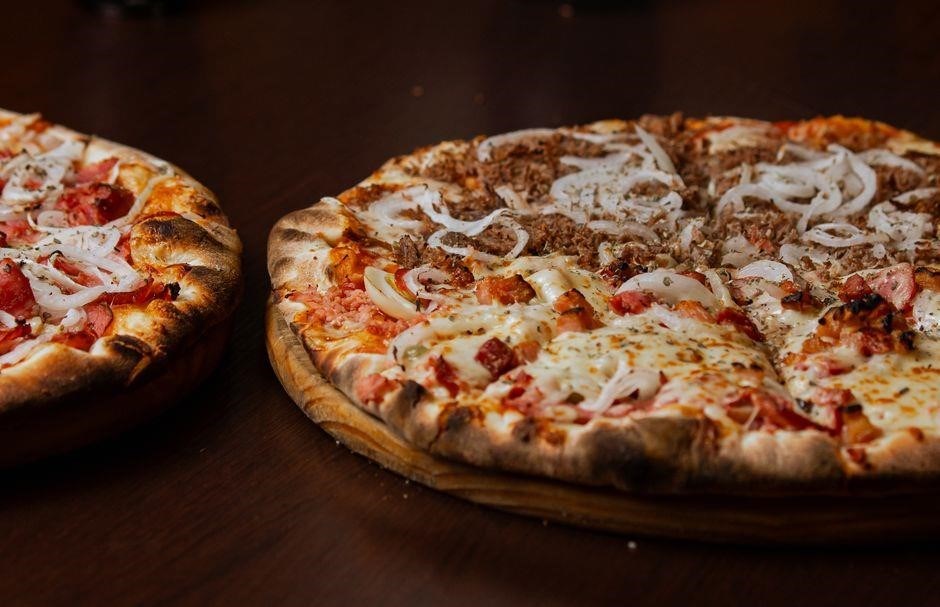
Gluten-Free Options and Alternatives
For those who need gluten‑free pizza, Trader Joe’s doesn’t currently offer a dedicated gluten‑free Bambino line. However, you can still enjoy a similar experience by selecting a gluten‑free frozen pizza from another brand that matches the size and flavor profile of the Bambinos. Look for mini or bite‑size options from companies such as Udi’s, DiGiorno’s Gluten‑Free Mini Pizzas, or California Pizza Kitchen’s Gluten‑Free Mini Pizzas. These products typically come pre‑topped with pepperoni or cheese and have a crust that is already baked to a golden crisp. To keep the cooking time consistent with the original Bambinos, preheat your air fryer, conventional oven, or toaster oven to the temperature listed on the new product’s packaging, usually between 350°F and 400°F. Cook for 6–8 minutes in an air fryer, 10–12 minutes in a conventional oven, or 8–10 minutes in a toaster oven, checking for a bubbly, golden crust. If you prefer a homemade alternative, you can use a gluten‑free pizza crust mix, roll it into small rounds, top with your favorite sauce and cheese, and bake at 425°F for 10–12 minutes. This approach gives you full control over the ingredients and allows you to experiment with different toppings while staying gluten‑free. Remember to keep the baking surface lightly greased or lined with parchment paper to prevent sticking and to promote even browning. By following these guidelines, you can enjoy a safe, delicious pizza experience that mirrors the convenience and flavor of Trader Joe’s Bambino pizzas without compromising your dietary needs.
Keep an eye on moisture; sprinkle cornmeal to prevent sticking and add extra crunch!!
!!
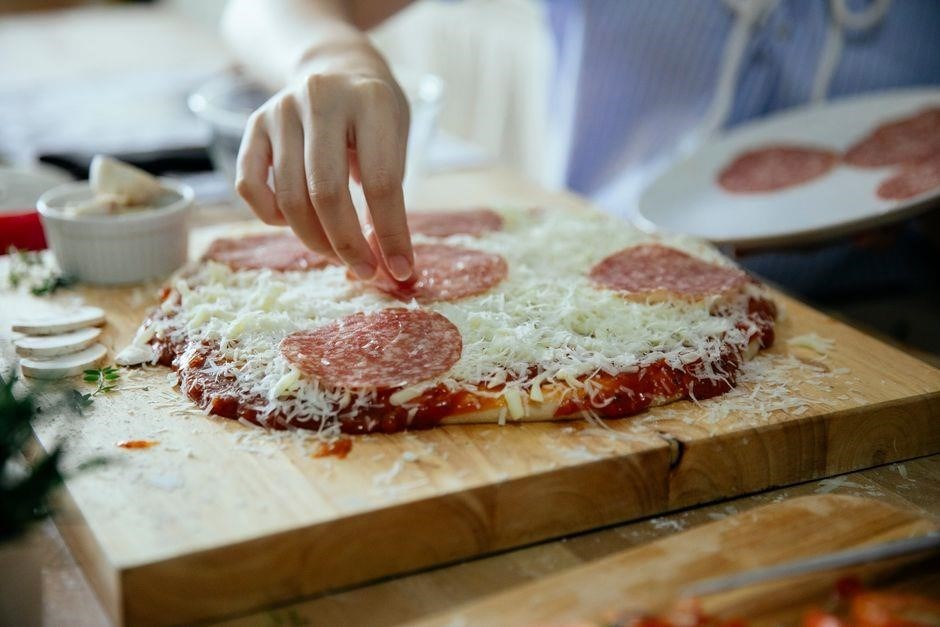
Dairy‑Free and Vegan Modifications
Trader Joe’s Bambino pizzas are typically made with dairy cheese, but you can easily transform them into dairy‑free or vegan treats. Start by removing the pre‑topped cheese or pepperoni layer if you prefer a plain base. Then, before cooking, spread a thin layer of dairy‑free cheese substitute—such as a store‑bought vegan mozzarella or a homemade cashew‑based cheese—over the crust. For extra flavor, sprinkle nutritional yeast, dried oregano, or a pinch of smoked paprika. If you’re using the pepperoni version, replace the meat with plant‑based pepperoni or a handful of sliced olives and capers for a savory bite. Alternatively, top the pizza with sautéed vegetables like spinach, mushrooms, or bell peppers, then finish with a drizzle of olive oil and a sprinkle of fresh basil. Once the pizza is assembled, it’s ready to be cooked as desired. The result is a crisp, cheese‑rich pizza that’s completely free of dairy and animal products, making it suitable for vegans and those with lactose intolerance. You can also swap the tomato sauce for a spicy arrabbiata or a creamy cashew sauce to add depth. A sprinkle of crushed red pepper or a dash of balsamic glaze can elevate the flavor profile. For a crunchy contrast, add a handful of toasted pine nuts or chopped walnuts. If you prefer a sweeter note, drizzle a light honey‑coconut glaze over the finished pizza. Remember to keep the pizza cold until you’re ready to serve, as dairy‑free cheeses can soften quickly at room temperature. Finally, if you’re preparing the pizza ahead of time, store it in an airtight container in the refrigerator; it will keep for up to three days and can be reheated in a skillet or microwave, preserving its vegan integrity. Enjoy experimenting with different plant‑based toppings and sauces to keep each bite exciting and fully compliant with your dietary preferences— and savor every bite!
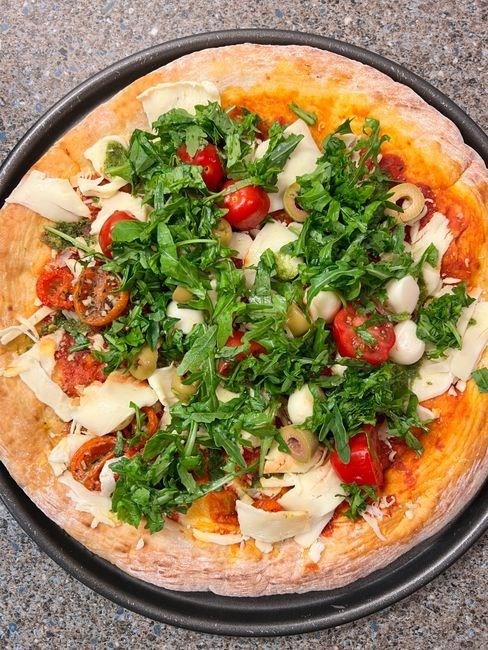
Custom Topping Ideas
While Trader Joe’s Bambino pizzas come pre‑topped, you can elevate each bite with fresh, flavorful additions. Start by removing the pizza from the freezer and letting it sit 2–3 minutes. Then, before cooking, drizzle a thin layer of olive oil and sprinkle cracked pepper for a subtle heat boost. For a veggie twist, scatter sliced bell peppers, red onion, and black olives over the cheese; the oven’s heat will caramelize the vegetables while keeping the crust crisp.
Cheese lovers can experiment with shredded mozzarella, smoked gouda, or a vegan cheddar blend. A handful of fresh basil or arugula added after baking delivers a peppery finish. If you’re craving a sweet‑savory combo, top the pizza with a drizzle of honey or a sprinkle of crushed red pepper flakes.
For protein, lay thin slices of cooked bacon, grilled chicken, or smoked salmon on the pizza before baking. The protein will warm through, adding texture without making the crust soggy. If you’re avoiding dairy, replace the cheese with a dairy‑free mozzarella substitute and finish with a sprinkle of nutritional yeast for a cheesy flavor.
Seasonal options include sautéed spinach, caramelized mushrooms, or fresh pineapple chunks for a Hawaiian twist. A light spread of pesto, barbecue sauce, or a garlic‑olive‑oil blend can change the flavor profile entirely. Keep toppings light to preserve the pizza’s quick‑cooking time and crisp crust.
For a Mediterranean vibe, add sun‑dried tomatoes, artichoke hearts, and a dash of oregano. If you love bold flavors, sprinkle a pinch of smoked paprika or a splash of balsamic glaze after baking. Layering toppings strategically—placing moisture‑rich items on top of the cheese—helps prevent sogginess.
Experiment with different cheeses, herbs, and sauces to create a mini‑pizza that matches your mood or the occasion. Whether you’re prepping a quick snack or a party platter, these custom topping ideas turn a simple frozen pizza into a personalized culinary experience.
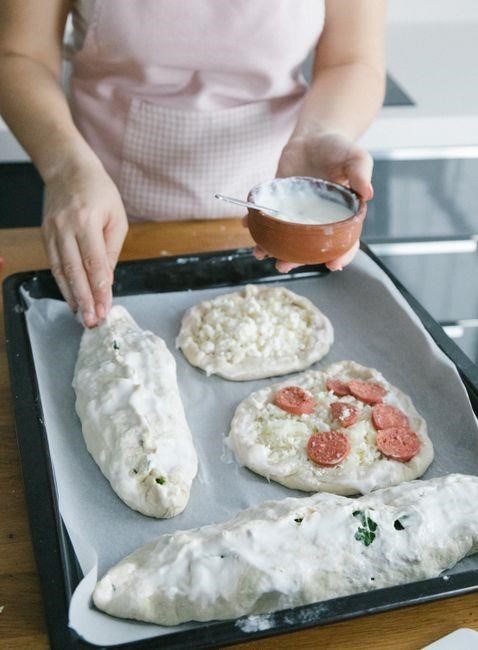
Cooking Time Adjustments for Larger Pizzas
When you scale up from a single Bambino to a stack of two or three, the heat distribution changes. The first rule is to increase the base time by roughly 20‑30 %. For an air fryer, a single pizza at 350 °F (175 °C) cooks in 8 minutes. Two stacked pizzas should run for 10 minutes, while three may need 12 minutes. In a conventional oven, the same 425 °F (220 °C) setting that yields a golden edge in 10 minutes will require 12‑15 minutes for a double stack. To avoid soggy centers, place the larger stack on the lower rack and rotate halfway through. If you’re using a toaster oven, keep the temperature the same but add 2‑3 minutes per extra pizza. Always check the cheese: it should be bubbling and lightly browned. A quick visual cue is the crust turning a deep golden‑brown hue. If the edges brown too fast, lower the temperature by 25 °F and extend the time. For a 4‑inch pizza, a 9‑minute bake is typical; for a 6‑inch, aim for 12‑15 minutes. Remember that the exact timing can vary with appliance size and brand, so use the time guidelines as a starting point and adjust based on your own oven’s performance. This approach ensures each pizza, regardless of size, comes out crisp on the outside and perfectly melted inside. For larger batches, consider using a baking sheet to spread the pizzas evenly and reduce heat loss. If you notice uneven cooking, move the pizzas to the center of the oven or air fryer basket. Also, preheat the appliance for at least 5 minutes before placing the pizza to guarantee consistent heat. Finally, after cooking, let the pizza rest for 1‑2 minutes; this allows the cheese to set and prevents the crust from becoming soggy when you cut it. By following these adjustments, you’ll consistently achieve the same great texture and flavor, no matter how many Bambino pizzas you’re cooking at once.
Using parchment paper can help keep the crust crisp by reducing direct contact with the basket. If your air fryer has a convection setting, enable it to circulate hot air more efficiently, cutting cooking time by 1‑2 minutes per pizza. In a conventional oven, placing the pizzas on a preheated baking stone or steel improves heat transfer, yielding a crisper bottom. For the largest stacks, increase the temperature by 25 °F and add 3‑4 minutes, but watch the cheese closely to avoid over‑browning. Adding a splash of olive oil to the crust before baking can also enhance crispness. Keep the lid slightly ajar if possible to let steam escape and prevent soggy edges. By adjusting time, temperature, and positioning, you can scale up from a single bite‑size pizza to a full platter while maintaining quality. Enjoy the results friends!
Avoiding Mushy Crusts: Proper Placement in Air Fryer
To keep Trader Joe’s Bambino pizzas crisp, place each pie flat on the air fryer basket or the lowest rack, ensuring it does not touch the sides. If you need to cook two at once, stack one on the lower rack and the second on the top, leaving a ½‑inch gap between them so hot air can circulate fully around each crust. Avoid over‑crowding; a single pizza per basket is ideal. Keep the basket clean—any leftover sauce or cheese can steam the crust and make it soggy. Preheat the air fryer for five minutes at 350 °F (175 °C) before adding the pizza. This guarantees the basket is hot enough to start crisping the crust immediately. If the edges brown too quickly, lower the temperature by 25 °F and add one minute. For extra crispness, lightly brush the crust with olive oil before cooking. After removal, let the pizza rest on a wire rack for one minute to allow steam to escape, preventing a soggy bottom. If your air fryer has a convection mode, use it for even heat distribution. Also, let the pizza sit at room temperature for five minutes before cooking to reduce condensation, a major cause of mushy crusts. Consider placing a small baking tray or pizza stone inside the basket to raise the pizza slightly above the surface, creating an air gap that further prevents steam buildup. Sprinkle a thin layer of shredded mozzarella on top before cooking; the cheese will melt and form a protective barrier against moisture. After cooking, lift the pizza slightly with a fork to allow steam to escape. If you’re cooking multiple pizzas, alternate their order each time to ensure even exposure to hot air. Finally, check the pizza’s internal temperature; a safe 165 °F (74 °C) indicates it’s fully cooked and the crust is crisp. Enjoy the crispness.
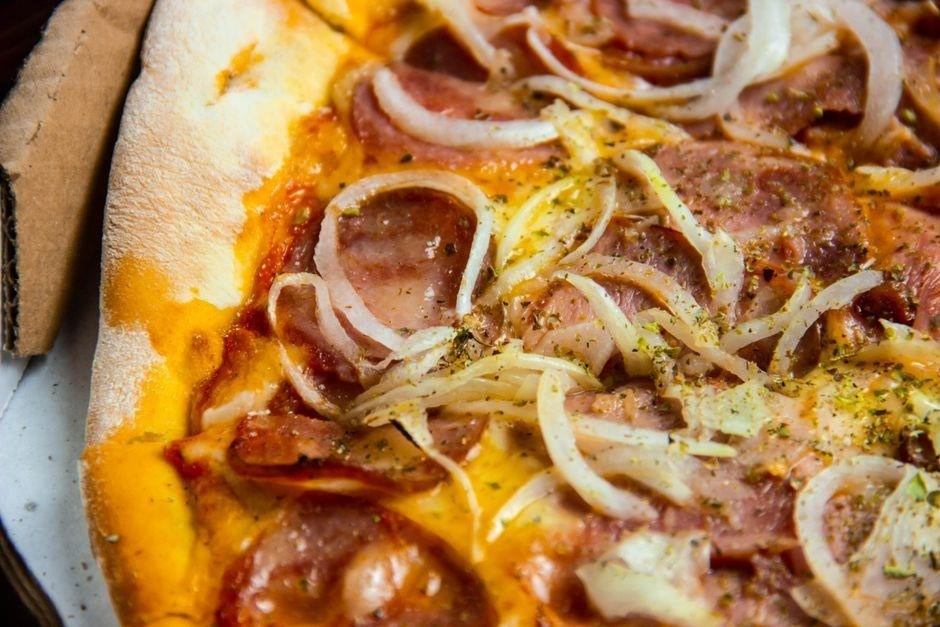
Prepping Pizza for Optimal Crispiness
Before cooking, remove the Bambino pizzas from their freezer packaging and let them sit at room temperature for 2–3 minutes; this short thaw reduces the risk of soggy centers. Pat each pizza dry with a paper towel—excess moisture is the main culprit behind a limp crust. If you prefer a crispier edge, lightly dust the dough side with a thin layer of flour or cornmeal; this creates a barrier that helps the heat penetrate evenly.
When using an air fryer, place the pizza on the basket in a single layer, ensuring no overlap. The hot air must circulate freely around the dough; crowded baskets trap steam and produce a chewy texture. If you’re cooking more than one, rotate the basket halfway through the cycle. For a conventional oven, preheat to 425 °F (220 °C) and line a baking sheet with parchment paper; the paper prevents sticking while allowing the bottom to crisp. A toaster oven can follow the same setup, but keep the rack in the middle to avoid over‑browning.
For an extra crunch, preheat the appliance for 3–5 minutes before placing the pizza inside. This initial burst of heat sears the crust instantly. If you’re adding toppings—such as extra cheese, vegetables, or a drizzle of olive oil—spread them thinly; thick layers trap steam and soften the base. A light sprinkle of grated Parmesan or nutritional yeast can add flavor without compromising crispness.
After cooking, let the pizza rest on a wire rack for 1–2 minutes. This step allows residual steam to escape, preventing a soggy bottom. Slice with a pizza cutter for clean, even portions. Serve immediately for the best texture, or wrap tightly in parchment and store in an airtight container if you need to keep leftovers.
Remember, the key to a perfect bite is consistent heat and minimal moisture—follow these steps and your Bambino will rise to the occasion. If you’re experimenting with different toppings, always test a single pizza first to gauge the impact on cooking time and crispness.
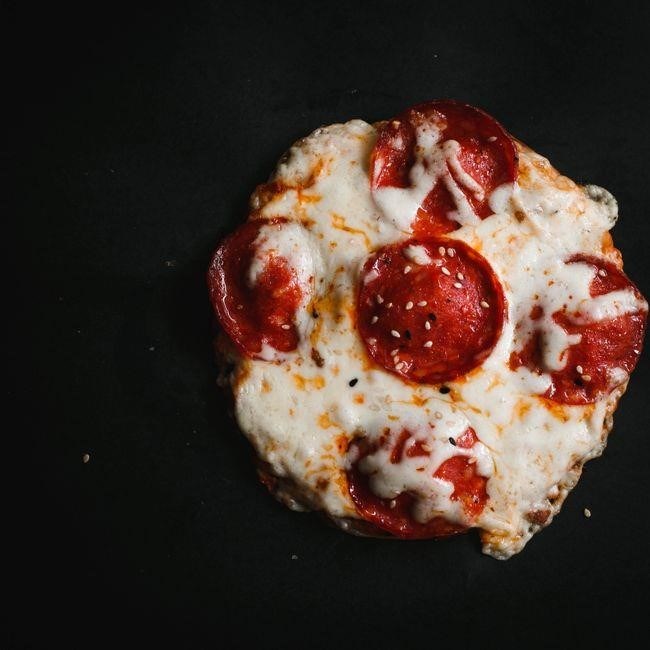
Storage and Reheating Recommendations
Trader Joe’s Bambino pizzas are designed for quick, convenient meals, but proper storage and reheating are key to preserving their signature bite‑size crunch and flavor. The best practice is to keep the frozen pizzas in their original packaging until you’re ready to cook. If you have opened the box, seal the remaining pizzas in a resealable plastic bag or airtight container to prevent freezer burn and keep the dough from drying out. Store them in the freezer for up to 2 weeks; after that, the texture may begin to degrade, especially if the dough has been exposed to air for an extended period. When you’re ready to enjoy a fresh slice, there are several reheating methods that work well, each with its own advantages depending on the equipment you have on hand.
Air‑fryer method: Preheat the air fryer to 375 °F (190 °C). Place the pizza directly on the basket or on a small piece of parchment paper to avoid sticking. Cook for 6–8 minutes, checking at the 5‑minute mark. The rapid air circulation crisps the crust while the cheese melts evenly. If you prefer a slightly thicker crust, add an extra minute or two.
Conventional oven: Preheat to 425 °F (220 °C). Place the pizza on a baking sheet or directly on the oven rack for maximum crispness. Bake for 8–10 minutes, or until the cheese is bubbling and the edges are golden. For a crispier top, finish with a quick broil for 1–2 minutes, keeping a close eye to avoid burning.
Toaster oven: Set to 400 °F (205 °C). Place the pizza on the middle rack. Bake for 7–9 minutes. Because toaster ovens vary, start with a shorter time and add a minute if needed.
Microwave: Generally not recommended for Bambino pizzas because the heat distribution can result in a soggy crust. If you must use a microwave, place the pizza on a microwave‑safe plate and heat on medium power for 45–60 seconds, then transfer to a preheated oven or air fryer for 2–3 minutes to restore crispness.
Optional finishing touches: After reheating, sprinkle a light dusting of grated Parmesan, a pinch of crushed red pepper, or a drizzle of olive oil to enhance flavor. If you’re serving multiple slices, keep reheated pizzas warm in a low‑heat oven (200 °F) or on a heat‑resistant plate covered with foil. By following these storage and reheating guidelines, you’ll consistently enjoy Trader Joe’s Bambino pizzas with the same delightful crunch and taste as when they first hit the freezer shelf.
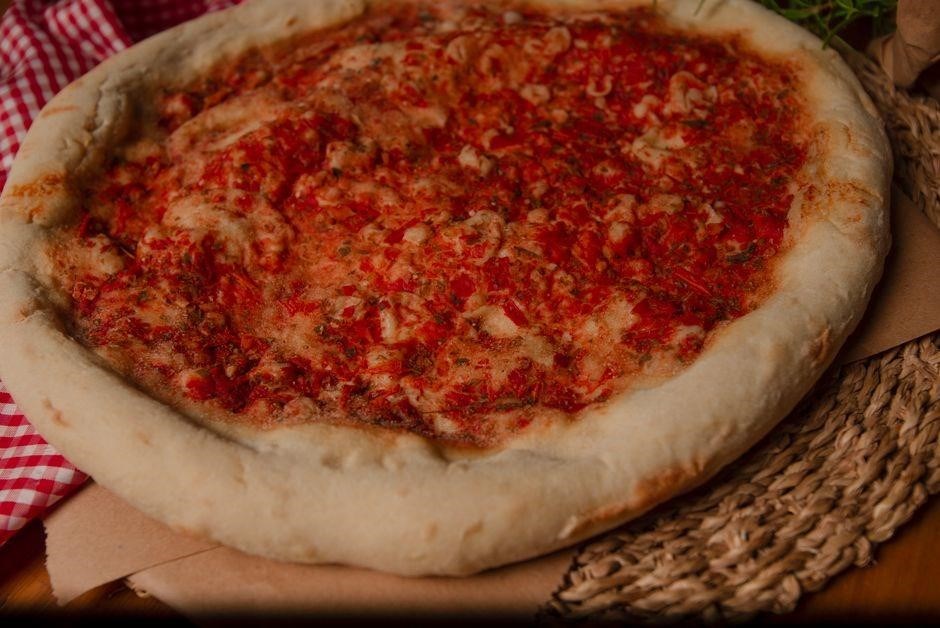
Troubleshooting Common Issues
When a Trader Joe’s Bambino pizza falls short of perfection, the culprit is often a single tweak. Below are the most frequent hiccups and how to fix them.
- Crust too soggy: The pizza is placed too close to the heating element or the basket is crowded. Leave a small gap between the pizza and the air‑fryer walls, and avoid stacking multiple slices. If you use a conventional oven, bake on a preheated baking sheet rather than directly on the rack.
- Uneven browning: Hot‑air circulation can be uneven, especially in older models. Rotate the pizza halfway through cooking, and if you notice one side is darker, lower the temperature by 10 °F for the remaining time.
- Cheese not melted: The pizza may have been removed too early. Extend the cooking time by 1–2 minutes or set the appliance to a higher heat setting for the last 30 seconds.
- Overcooked edges: The edges can become hard or burnt. Reduce the cooking time by 30 seconds or lower the temperature slightly, then monitor closely.
- Pizza stuck to the basket: A thin layer of oil or a non‑stick spray can prevent sticking. Lightly coat the basket or use parchment paper designed for air‑fryers.
By paying attention to these details, you can consistently achieve a crisp, flavorful bite that rivals a freshly baked pie. Enjoy it tonight, too.

Cleaning and Maintenance of Cooking Equipment
After each use, promptly clean your air fryer basket, conventional oven racks, and toaster oven trays to prevent residue buildup. Wipe the interior of the air fryer with a damp cloth and mild detergent; avoid abrasive pads that can scratch the non‑stick coating. For the oven, remove racks and soak in warm soapy water, then scrub with a soft sponge. To keep the toaster oven door seal intact, gently clean the gasket with a soft brush and mild soap, ensuring no crumbs remain. Replace any worn‑out silicone mats or parchment paper to maintain even heat distribution. Store appliances in a dry area, and periodically check for loose screws or damaged heating elements. If you notice any unusual odors or smoke, unplug the unit and inspect for stuck food particles. Regular maintenance extends appliance life and guarantees consistent pizza results.
Additionally, inspect the heating element of your oven or air fryer after each use; a buildup of grease can cause uneven cooking or fire hazards. Use a soft brush or a cotton swab to remove residue from the element, but avoid touching it with metal tools. For toaster ovens, wipe the interior walls with a damp cloth and ensure the crumb tray is emptied daily. If you notice any discoloration or a persistent odor, replace the element or seek professional service. Keeping the door seals clean ensures proper temperature retention. Finally, store your cooking equipment in a cool, dry place to prevent rust and maintain performance over time.
Follow these steps to keep your kitchen in top shape stay safe.
Trader Joe’s Bambino pizzas are a quick, convenient snack that can be transformed into a satisfying meal with a few simple tweaks. The key to a consistently crisp crust is proper heat distribution: use an air fryer or toaster oven at 375°F (190°C) for 7–9 minutes, checking halfway to avoid over‑browning. If you prefer a softer center, reduce the time by a minute or two. For a larger batch, increase the cooking time by 1–2 minutes per extra pizza, but never overcrowd the basket—allow air to circulate freely around each slice.
When you’re looking for dietary variations, Trader Joe’s offers a gluten‑free line of mini pizzas; simply swap the original crust for a gluten‑free version and follow the same heat settings. Dairy‑free or vegan options can be achieved by topping the pizza with a dairy‑free cheese before cooking, or by using a vegan cheese blend that melts well. These adjustments keep the flavor profile intact while meeting dietary needs.
To enhance flavor, consider adding fresh herbs, a drizzle of olive oil, or a sprinkle of crushed red pepper after the pizza comes out of the oven. If you’re reheating leftovers, use the air fryer at 350°F for 3–4 minutes to restore crispness without drying out the cheese. For a crunchy finish, place the pizza on a pre‑heated baking sheet for the last 30 seconds.
Cleaning is straightforward: wipe the basket and tray with a damp cloth after each use, and avoid abrasive cleaners that could damage the non‑stick coating. Store uncooked pizzas in a cool, dry place until ready to cook, and keep leftovers in an airtight container in the refrigerator for up to three days.